How to Choose Tactical Ballistic Helmets for Law Enforcement Officers
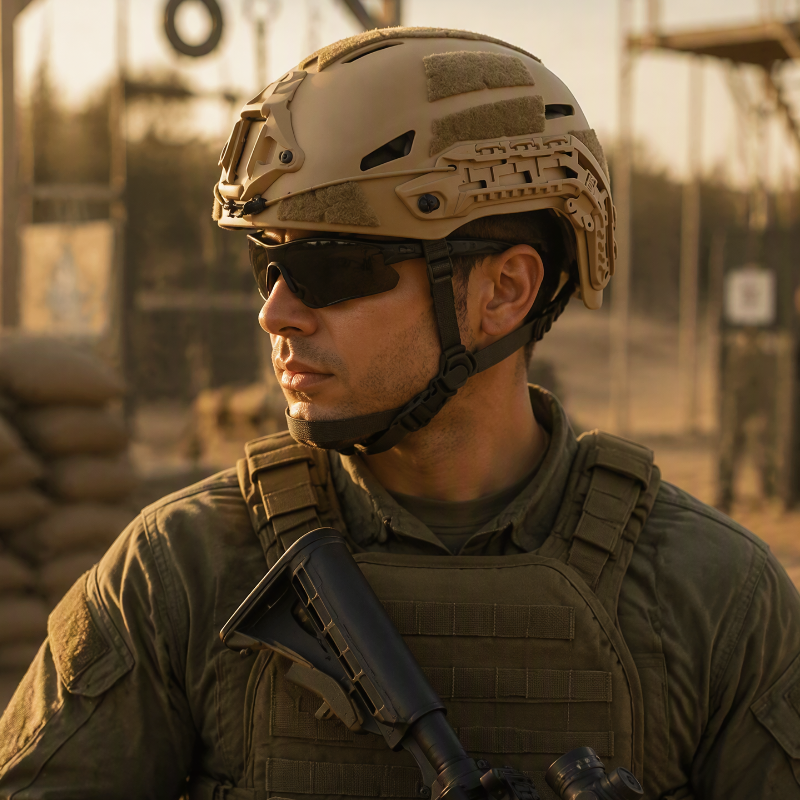
Main Materials of Tactical Ballistic Helmets
Material determines both protective performance and wearing burden.
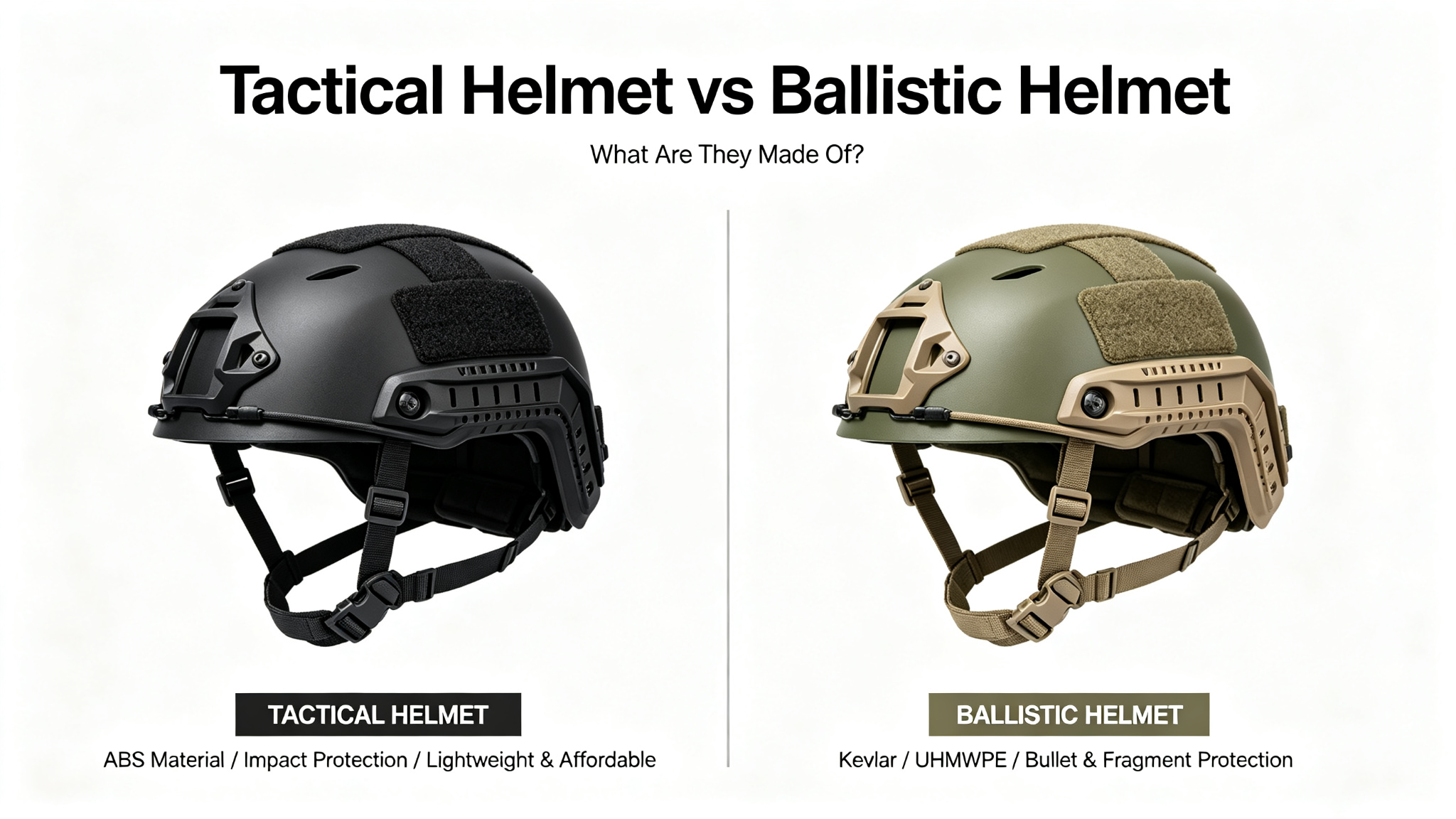
- Aramid (Kevlar) composite: lightweight, strong ballistic performance, widely used for extended patrol missions — the top choice for most law enforcement teams.
- ABS plastic: a low‑cost, non‑ballistic training helmet intended only for simulation drills; it cannot stop bullets.
Shell thickness also matters significantly, as it directly affects overall weight and protective capability.
Key Specifications to Verify Before Purchase
- Ballistic protection standard
- Helmet weight per unit
- Shell cut style: FAST / MICH / PASGT
- Side rail and ARC mount interface (for night vision goggles, lights, and other accessories)
- Internal padding and suspension system
A poor suspension and padding system will cause head pressure and discomfort during long shifts. A missing standard interface means common tactical accessories simply cannot be mounted.
Typical Application Scenarios
- Daily law enforcement patrol duties
- Riot control and emergency response
- Special operations missions
- Police simulation training exercises
- Wholesale supply for security equipment dealers
Critical Tips for Bulk Procurement
- Verify ballistic certification documents before placing large orders.
- Confirm compatibility with night vision mounts and other tactical accessories.
- Check available helmet size options to accommodate different officers' head circumferences.
- Sample evaluation is strongly recommended before mass shipment.
- Clearly distinguish between ballistic protective helmets and non‑protective training helmets.
Frequently Asked Questions
Q: Which helmet style is better for law enforcement — FAST or MICH? A: FAST helmets are lighter with more side cut‑outs, making them well‑suited for high‑mobility tasks. MICH helmets offer greater overall shell coverage and are more appropriate for routine patrol and riot scenarios.
Q: Can a ballistic helmet still be used after taking an impact? A: No. Once the shell sustains a ballistic impact, the internal fiber structure is compromised. The helmet must be replaced immediately and cannot be reused.
Closing
A qualified law enforcement tactical helmet isn't just about the lowest price. Match the ballistic grade, weight, shell style, and actual mission requirements to your end users' needs. We support wholesale and customized services for a wide range of ballistic helmets.
What are tactical helmets and ballistic helmets made of?
How to Pick Full‑Face Gas Masks for Industrial & Farm Bulk Procurement
Related Article