How to Choose Right Ballistic Plates for Tactical Operations
1. Main Ballistic Plate Materials
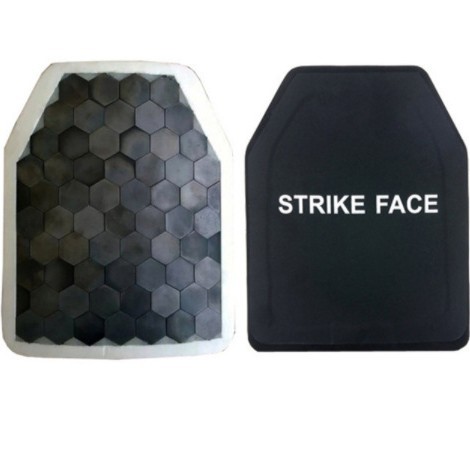
Two ceramic composite families dominate the market. Alumina ceramic composite is the workhorse — durable, multi-hit capable, and budget-friendly, but noticeably heavier. It suits standard-issue kits, training plates, and fixed-position roles where weight is less critical. Silicon carbide ceramic composite is 15 to 25 percent lighter, a meaningful difference for anyone pulling 8-to-12-hour shifts. The trade-off is higher cost and moderate multi-hit durability compared to alumina. Neither material wins across the board. The decision comes down to mobility versus budget, and supplying both grades gives your clients the flexibility to match plates to specific mission profiles.
2. Understanding Ballistic Protection Standards
The NIJ standard is the most widely recognized benchmark for body armor. Level IIIA stops handgun rounds like .44 Magnum and 9mm, typically used in soft concealable vests. Level III marks the start of hard rifle plates, rated for 7.62×51mm M80 NATO ball ammunition — the baseline for most tactical applications. Level III+, though not an official NIJ designation, has become an industry norm for stopping special threats like M855 green tip and M193. Level IV is the highest rating, tested against .30-06 M2 armor-piercing rounds.
The right level depends on the threats your end users actually face. Level III+ is often the practical sweet spot — lighter than IV but sufficient for common rifle threats outside combat zones. If armor-piercing ammunition is a real concern, only Level IV will do. Always request independent lab test reports rather than relying on a supplier's self-declared compliance claim.
3. Size & Weight Considerations
Plate dimensions must match the carrier. Common standards include SAPI and ESAPI cuts in Small through XL, Shooter's Cut and Swimmer's Cut for improved arm mobility, and full-size rectangular plates for maximum coverage. Confirm carrier compatibility before ordering — we stock all standard cuts and support custom sizing for wholesale projects.
Weight is always a trade-off between protection and mobility. A lightweight Level IV plate with SiC and PE backing runs about six to seven pounds per plate at a premium cost, while a budget alumina version may weigh eight to nine pounds. Over a 12-hour shift, even one extra pound per plate adds up. We recommend requesting sample plates at multiple weight grades so your end users can test comfort before committing to volume.
4. Wholesale Buyer Checklist
Before placing a bulk order, verify these five points with your supplier. First, demand current NIJ lab test reports — not just a "compliant" claim. Second, confirm production lead times, as custom sizing or large MOQs can push delivery to 60 to 90 days. Third, understand multi-hit performance: how many rated rounds can a single plate stop before it's compromised? Fourth, clarify warranty terms and shelf life — most ceramic plates carry a five-to-seven-year service window. Fifth, if you resell under your own brand, confirm OEM and private label capabilities upfront.
Get a Quote
We supply ballistic plates in alumina ceramic and silicon carbide across NIJ III, III+, and IV levels, with standard and custom sizing available for bulk orders. Contact us to request a catalog and wholesale pricing. If you need help matching plate configurations to your clients' mission profiles, reach out — our team can recommend the right combination of material, protection level, and weight for your specific end users.
How to Pick Full‑Face Gas Masks for Industrial & Farm Bulk Procurement
Related Article